
California’s Pregnancy Disability Leave (PDL) law allows an eligible employee to take job-protected leave if they are disabled by pregnancy, childbirth or a related medical condition. This law applies to employers with five or more employees, and there is no length-of-service requirement for the employee to qualify.
San Francisco Pregnancy Leave Lawyers
The pregnancy leave attorneys at Minnis & Smallets help California and Bay Area employees understand their rights.
The majority of California employers are required to allow qualifying employees to take a leave of absence if they experience a disability due to pregnancy or pregnancy-related conditions. The pregnancy leave attorneys at Minnis & Smallets, LLP can help enforce your rights under California and federal statutes if you suffer retaliation, are terminated, lose benefits, or are subject to other forms of unlawful conduct. Please contact our San Francisco office to schedule a free consultation about your circumstances, and check out some useful information about these laws.
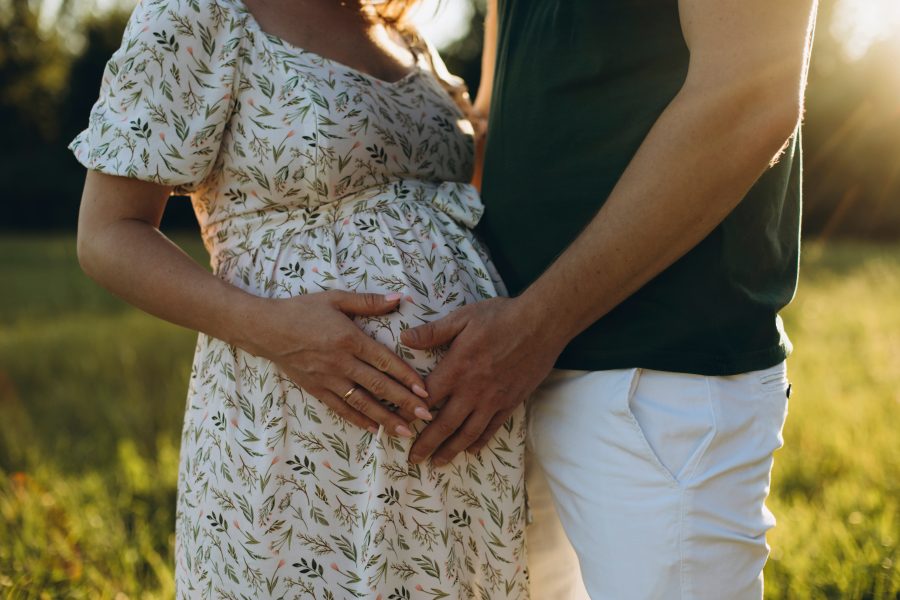
Overview of Pregnancy Leave Laws
State and federal statutes have varying implications for employees who need to take a leave of absence due to pregnancy and/or pregnancy-related conditions. California is one of only a few states that provides pregnancy disability leave and family medical leave when combined with certain federal laws.
Still, there is a wide array of eligibility rules, conflicting legal requirements, overlapping provisions, and other complex concepts under such statutes as:
- Pregnancy Disability Leave Law (PDL): This statute is part of the California Fair Employment and Housing Act (FEHA), and it applies to all employers with five or more employees. PDL allows up to four months of leave to an employee who suffers from a pregnancy-related physical or mental condition that impacts her ability to perform essential job-related tasks. There is no minimum for the number of hours or years that an employee must work to qualify for pregnancy disability leave.
- Family and Medical Leave Act (FMLA): At the federal level, FMLA allows qualified employees to take up to 12 weeks of leave within a 12-month period for designated reasons; birth and care for a newborn baby is one of the qualifying factors. There are a few important considerations to note.
- FMLA does not require the employer to pay the employee during the leave; however, if other employees receive pay for qualifying reasons, while the pregnant employee does not, then the pregnant employee may have a claim for discrimination.
- FMLA protects the employee’s job while she is away, so she cannot be demoted or overlooked for promotion during this time.
- An employee is only eligible for leave under FMLA if she works for an employer that has 50 or more workers within 75 miles of the main workplace. Plus, she must have worked for the employer for at least one year and must have worked more than 1,250 hours for the employer in the previous year.
- The employee is entitled to continue receiving group health benefits offered by the employer during a qualifying FMLA leave.
- California Family Rights Act (CFRA): While CFRA specifically excludes leave for a pregnancy-related disability, it does allow “bonding leave” separate from PDL, meaning that an employee can take both PDL and CFRA leave. This law closely parallels FMLA in that it gives employees leave of up to 12 weeks within the first year of the child’s birth; many of the eligibility requirements that apply to FMLA are also incorporated into CFRA. However, beginning January 1, 2021, CFRA was expanded to cover any private employer with 5 or more employees, regardless of their distance from the job site.
Contact a Skilled Pregnancy Leave Lawyer in California Today
If you have questions or would like more information regarding your rights, the pregnancy leave attorneys at Minnis & Smallets, LLP can help. Please call 1-415-551-0885 to reach our San Francisco offices or go online to set up a consultation regarding your case.
FAQs About Pregnancy Leave in California
How long is Pregnancy Disability Leave?
An employee disabled by pregnancy is entitled to receive up to four months of leave per pregnancy. If an employee takes less than four months of leave, they can use the remaining time for any future disabilities related to the same pregnancy.
Is Pregnancy Disability Leave paid?
The PDL law does not require employers to pay employees during their leave. However, an employee may be eligible for wage replacement benefits through California’s State Disability Insurance (SDI) program.
Can an employee take both PDL and CFRA leave?
Yes, an employee can take both PDL and leave under the California Family Rights Act (CFRA). PDL is for the period an employee is disabled by pregnancy, while CFRA provides up to 12 weeks of bonding leave, which can be taken after the birth of a child.
What conditions are eligible under PDL?
Pregnancy Disability Leave covers a range of physical and mental conditions that prevent an employee from performing essential job duties. This can include severe morning sickness, medically-advised bed rest, recovery from childbirth and other related medical issues.
Our Team


Our Awards


CONTACT US TODAY
If you are looking for advice or representation, please contact us today using the form below and we will promptly respond to your inquiry.

Attorney Advertising. This information is designed for general information only. The information presented should not be construed to be formal legal advice nor the formation of a lawyer/client relationship. Past results and testimonials are not a guarantee, warranty, or prediction of the outcome of your case, and should not be construed as such. Past results cannot guarantee future performance. Any result in a single case is not meant to create an expectation of similar results in future matters because each case involves many different factors, therefore, results will differ on a case-by-case basis. By providing contact information, users acknowledge and give explicit consent to be contacted via the methods of communication provided, including SMS. Message and data rates may apply. Message frequency may vary. Reply STOP to opt out.
NUVEW | Copyright 2026 All Rights Reserved | Accessibility Notice | Privacy Statement